Most people trip on the same step: they download the APK, open it immediately, and watch Android block the installation with a security warning. The file sits in Downloads, untouched, while the user assumes something broke. What actually happened is that Android treats any app outside Google Play as unverified by default. The permission to install from unknown sources must be granted specifically to whatever app fetched the file—usually Chrome, Firefox, or your file manager—not just toggled vaguely in settings. Without this targeted permission, even a perfect APK will not run. This guide assumes you are setting up 1xBet on a secondary device, perhaps a spare phone or a tablet you keep for travel, where you want clean separation from your primary handset. The process differs slightly from a first-phone setup because you are more likely to manage files manually and less likely to have Play Store habits interfering.
Fetching and Running the Installer
Start by downloading the APK through the browser on your second phone. Android stores this in a predictable location, usually the Downloads folder. Before tapping the file, open Settings > Apps > Chrome (or whichever browser you used) > Install unknown apps, then enable the toggle. Some Android versions route this through Settings > Privacy > Permission manager > Installing apps. The key detail: permission is per-source, not global. Revoke it afterward if you prefer tight control.
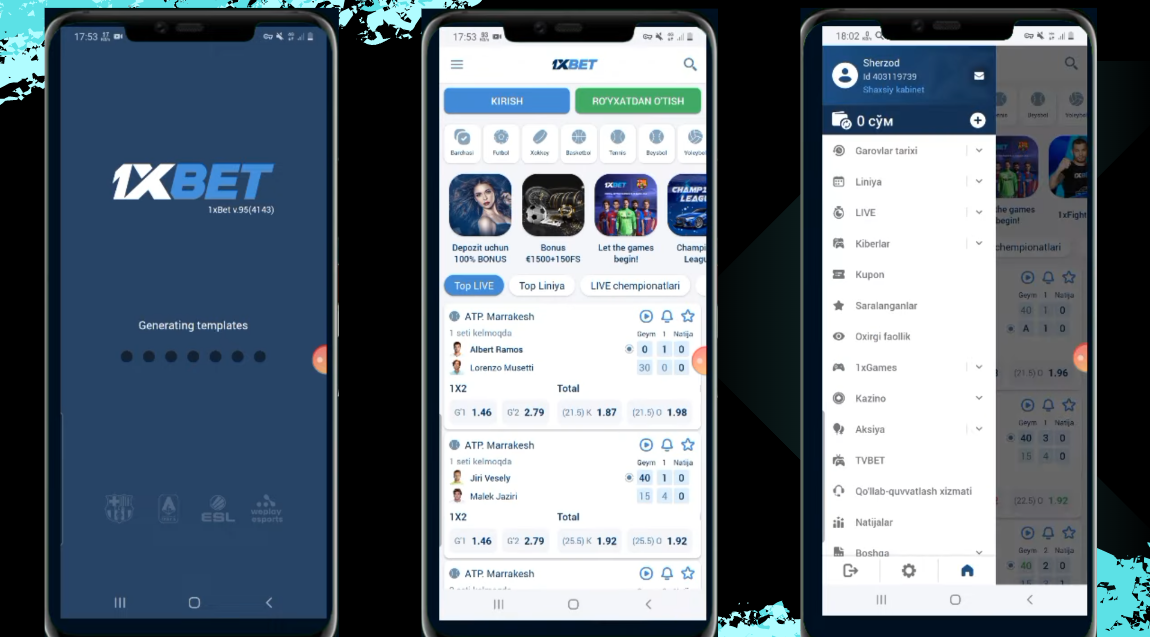
Once enabled, tap the APK in your file manager. The package installer launches, shows permissions the app requests, and completes silently. A home screen icon appears within seconds. The 1xbet apk install for android devices follows this exact flow, though regional availability of the download page varies.
Post-install, check the app info panel. The package name should reflect the betting platform’s standard identifier, and the certificate signature should match publisher records if you dig deeper into advanced verification. For most users, simply confirming the app launches and reaches the login screen proves the file integrity.
- Download only from HTTPS sources with valid certificates
- Scan the APK with your phone’s built-in security scanner before opening
- Compare file size against the source’s stated size; mismatches indicate corruption or tampering
- Keep the original APK file for reinstallation if updates fail

Keeping the App Current
1xBet does not update through Google Play, so you manage versions yourself. Two paths exist: in-app update prompts, or manual fresh downloads. The in-app method triggers when you open an outdated build; a banner offers immediate download of the newer APK. This overwrites the existing installation while preserving login credentials and balance history.
Manual updates require the same unknown-source permission dance as initial installation. Critical caveat: if the new APK carries a different developer signature, Android refuses the update and demands full uninstallation. This wipes local data—betting history cached offline, saved preferences, sometimes even remembered login sessions. Back up what matters before forcing a manual update. Uninstalling removes app-specific storage; your account survives on 1xBet’s servers, but convenience settings evaporate.
| Update method | Data preserved | Risk level |
|---|---|---|
| In-app prompt | All settings and history | Low—uses same certificate |
| Manual APK install (same source) | Usually preserved | Medium—verify signature match |
| Manual APK install (different source) | Local data lost | High—requires full reinstall |
Check your current version in Settings > Apps > 1xBet; the build number helps you determine if your source lags behind.

Inside the App: What Works
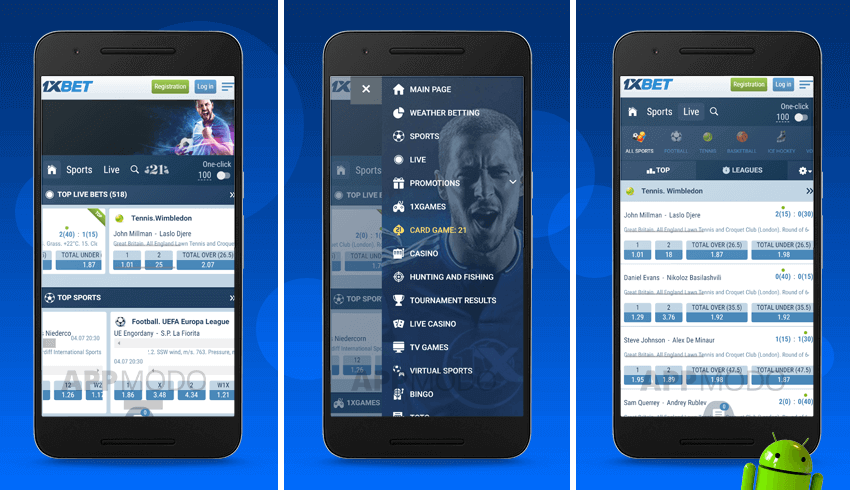
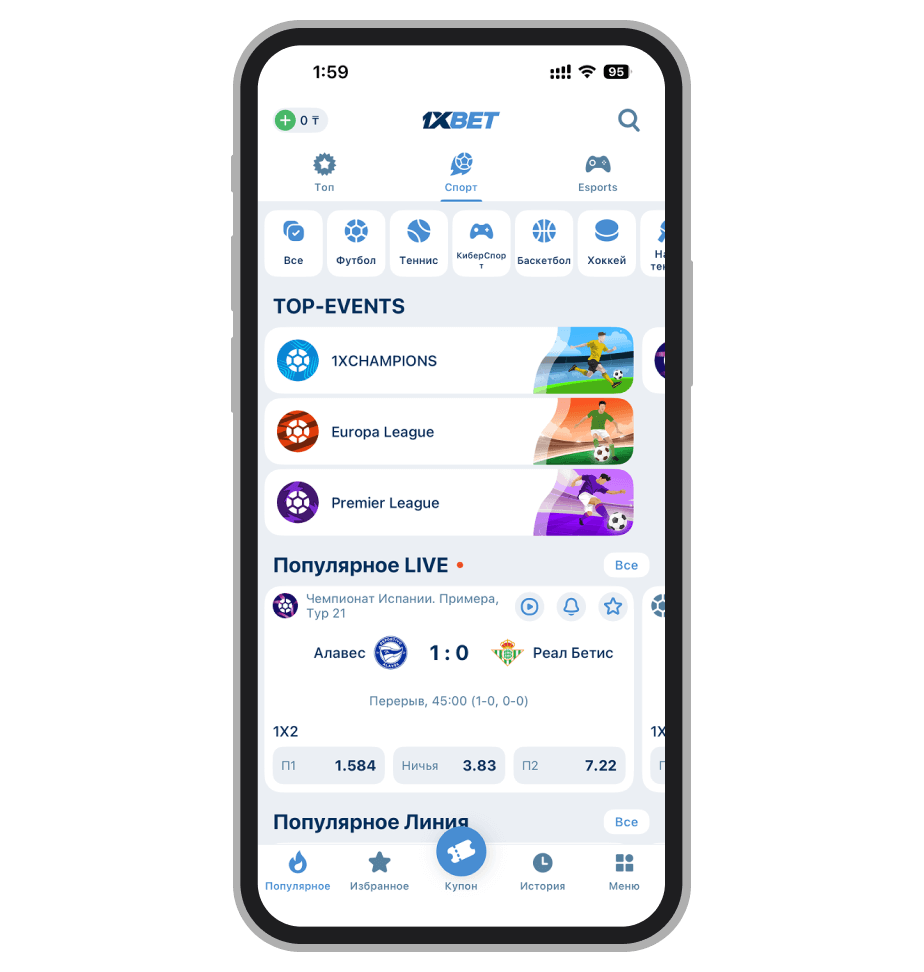
The mobile build replicates the desktop experience with touch-optimized layouts. Sports betting dominates the landing screen, with live events stacked by start time and available markets collapsed behind each fixture. Live betting refreshes odds every few seconds during active matches, with cash-out buttons appearing where the feature applies. The odds display adapts to your preference—decimal, fractional, or American formats.
Casino content loads through the same interface, though heavier games may prompt separate downloads of additional asset packs. Slots, table games, and live dealer rooms each occupy distinct tabs. Payment handling stays unified: deposits and withdrawals route through encrypted forms identical to the website, with the same verification steps for large amounts. Account management—self-exclusion limits, deposit caps, session timers—sits in a settings panel accessible from any screen. Set these boundaries before playing; gambling should remain controlled entertainment, not a financial strategy.
Biometric login (fingerprint or face unlock) works on devices that support it, saving you from typing passwords repeatedly. Push notifications alert you to settled bets, promotional offers, and account security events.
When Installation Stumbles: Troubles and Alternatives
Several predictable failures occur. “App not installed” usually means corrupted download—delete and re-fetch. “Blocked by Play Protect” appears when Google’s security scanner objects; you can override this once per install. Endless “parsing package” errors suggest the APK was built for a different Android architecture than your second phone carries. Storage full warnings are literal: the app needs space for both the APK and unpacked resources.
The apk file source matters enormously. Files mirrored on unofficial forums may carry adware or outdated builds. Stick to distribution channels the operator acknowledges, even if they sit outside Play Store boundaries. Checksums, where provided, validate integrity before you grant any permissions.
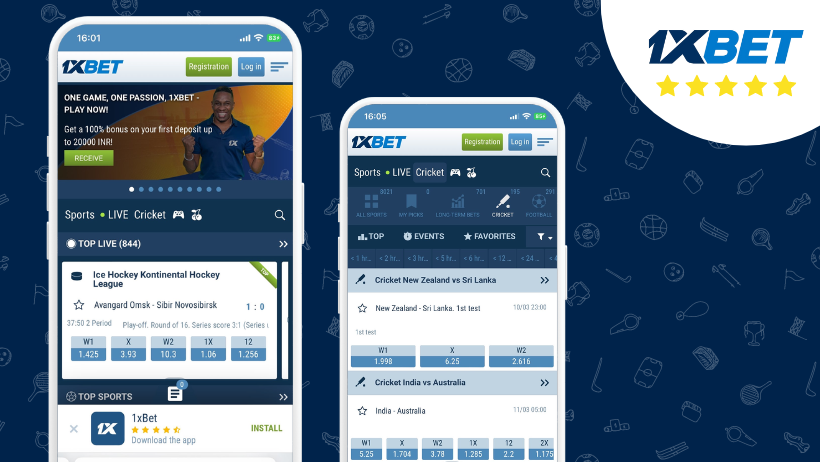
If installation proves impossible—perhaps your second phone runs an ancient Android version, or corporate MDM policies lock down unknown sources—the mobile website offers full functionality. Load it in any browser, add a home screen shortcut, and the experience approaches native app parity. Live betting streams function, deposits process, and account settings save to your profile. The web version auto-refreshes, requires no manual updates, and leaves no local footprint beyond browser cache. Its only meaningful limitation: no push notifications, so you must check results actively.
- Clear the failed APK from Downloads to prevent confusion with retry attempts
- Reboot before second install attempt—this clears temporary permission glitches
- Verify your Android version supports the APK’s minimum requirements, stated where you downloaded
- Consider the mobile site as permanent fallback if app maintenance burdens your secondary device
Second phones often carry lighter usage patterns; weigh whether a native app justifies its footprint against the browser option.
FAQ
Why does my second phone need different permissions than my main device?
Android versions vary, and secondary devices often run older releases with stricter unknown-source defaults. Additionally, you may have granted blanket permissions years ago on your primary phone that newer Android builds now require per-app approval.
Can I copy the APK from my first phone to my second?
Technically yes, through file sharing apps or Bluetooth, but you lose verification of source integrity. The second phone still demands unknown-source permission for whichever app transferred the file. Fresh download is cleaner.
Will updating on my second phone sync with activity on my first?
Your account state—balance, open bets, history—syncs across all devices through 1xBet’s servers. Local preferences like notification settings and display options remain device-specific.
How do I remove all traces from a second phone I’m selling?
Uninstall the app, then manually delete the Downloads folder APK if you kept it. Clear browser cache of any download history. Android’s app data wipe on uninstall handles the rest; no account information persists locally.
Is the second phone strategy worth the complexity?
Separation reduces notification clutter on daily devices and contains gambling activity to dedicated hardware. For casual users, the mobile website on any phone suffices. Secondary-device installation rewards those who want persistent sessions without primary-phone distraction.